Brecon Beacons Stargazing Where to Go and How to Plan the Night
A practical guide to Brecon Beacons Stargazing Where to Go and How to Plan the Night.

Why the Dark Skies Here Are Exceptional
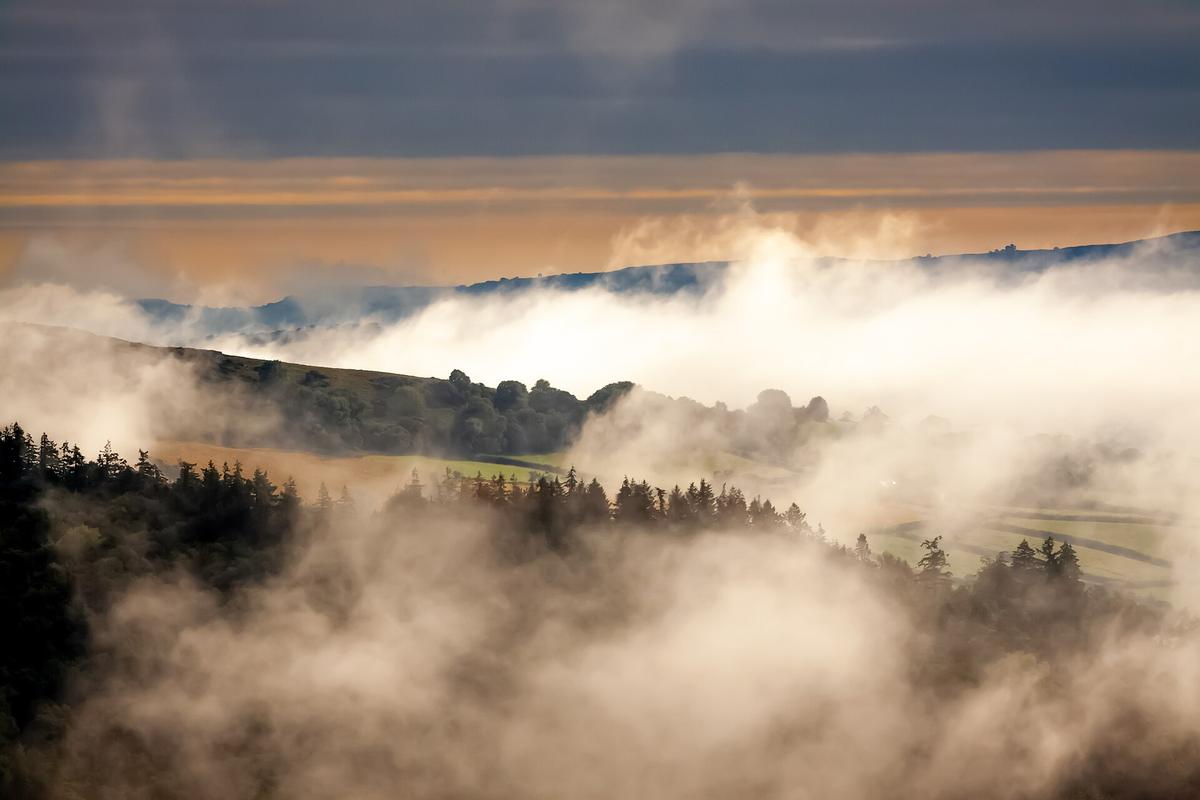
Bannau Brycheiniog, the national park long known as the Brecon Beacons, holds a distinction that reshapes how you experience night. In 2013 it became the first International Dark Sky Reserve in Wales and only the fifth such reserve in the world. The designation covers the entire park, a land area of 1,347 square kilometres, and reflects a sustained effort to protect the quality of darkness itself. The Brecon Beacons Park Society launched the dark-sky project in 2011 alongside the National Park Authority, the University of South Wales and local government. A re-survey completed in 2016 showed that night-sky quality had improved by about five per cent, confirming that the work was not just symbolic but measurable.
What this means in practice is that on a clear night you can see the Milky Way, major constellations, bright planets, meteor showers and satellites with the naked eye. No specialist equipment is required to feel the pull of the sky. The reserve sits within reach of over one million people, yet it shelters a resident population of roughly 33,000, so the transition from urban glow to genuine darkness can happen within a single evening drive. The combination of protected darkness, accessible geography and a growing community of astronomers makes this one of the most practical dark-sky destinations in Britain.
Choosing a Stargazing Spot
The National Park Authority publishes an official list of ten recommended stargazing locations, and the variety is worth studying before you commit to a single destination. Usk Reservoir and Crai Reservoir offer open horizons above dark water, which can be especially rewarding when the air is still and the stars reflect on the surface. Llanthony Priory and Carreg Cennen Castle add a layer of history to the night, their stone ruins silhouetted against the sky. Hay Bluff and Sugar Loaf Mountain place you on high, exposed ground where the panorama stretches wide. Craig-y-Nos Country Park and the National Park Visitor Centre at Libanus provide more structured settings, with car parks that remain accessible even when the buildings themselves are closed. Pen Rhiw Ddu and Llangorse Lake round out the list with quieter, less obvious vantage points.
Choosing between them is a tradeoff. High, remote sites such as Hay Bluff reward you with an unobstructed dome of sky, but they also expose you fully to wind and weather. Reservoir shores and lake edges can deliver calmer conditions and striking reflections, though low-lying mist sometimes forms after midnight. Historic sites offer atmosphere, yet uneven ground around ruins demands extra care in the dark. The Libanus Mountain Centre is a designated Dark Sky Discovery Site with a measured sky quality reading of 21.4 and a limiting magnitude of 6.37, making it one of the most reliably dark and easily reached options. The centre building closes at night, but the car park and grounds stay open for stargazing. Before setting out for any location, check current access conditions directly with the National Park Authority, because parking arrangements and night-time entry can change.
The Observatory and Guided Experiences
Within the grounds of the Libanus Mountain Centre sits the Brecon Beacons Observatory, a small facility housing a 30-centimetre reflector telescope. It saw first light in October 2014 and remains a focal point for public astronomy. If you want to look through a serious instrument rather than rely on the naked eye, this is the natural anchor for your night.
Two official providers shape the guided stargazing landscape. Dark Sky Wales runs regular events at the Libanus centre, offering guided stargazing experiences, astronomy courses and astrophotography workshops. Their sessions are designed to bridge the gap between casual curiosity and deeper understanding. Serydda Stargazing and Astrophotography, led by astrophotographer Dafydd Wyn Morgan, takes a different approach with guided starbathing sessions, astrophotography workshops and light-painting experiences. A 60-minute starbathing session starts from £75 per person. The choice between the two comes down to what you want from the night: structured learning and telescope time with Dark Sky Wales, or a more sensory, camera-aware experience with Serydda. Dates, times and ticket prices for both providers are not fixed here because they shift with the season. Check the latest schedule directly with each organiser before you book.
Timing Your Visit Around Dark Sky Week
Welsh Dark Sky Week offers a concentrated programme of events that can anchor a trip if you prefer to stargaze alongside others. The 2026 edition ran from Friday 13 February to Sunday 22 February, with planetarium sessions, astrophotography workshops and night walks spread across Wales' National Parks and Areas of Outstanding Natural Beauty. The February timing places the event in a season when nights are still long but the worst of winter weather may be easing, though cold remains a certainty. Planning a visit to coincide with a future Dark Sky Week means you gain access to organised activities that are not available year-round, but it also means popular sites and sessions fill more quickly. If solitude matters more to you than a programme of events, the same dark skies are available on any clear night outside of festival dates.
Preparing for a Night Under the Stars
A successful stargazing night depends on preparation that starts well before sunset. Allow fifteen to twenty minutes for your eyes to fully adjust to the darkness once you arrive. During that time, and throughout the night, use a dim red light rather than a white torch to preserve your night vision. Wear warm layers and suitable footwear even if the daytime temperature feels mild, because standing still in open country after dark drains body heat quickly. Check the weather and cloud forecast before you travel, because even the darkest reserve cannot overcome a blanket of low cloud. The Met Office provides the most relevant local forecasts for the park area.
Pack as if you are heading into the hills at night, because in most of the recommended spots you are. A folding chair or insulated mat makes a significant difference to comfort during long observing sessions. A flask of hot drink extends your tolerance for cold. If you bring a camera, familiarise yourself with its manual settings indoors before you need to operate it in the dark. The goal is to remove small frictions so that your attention stays on the sky rather than on cold fingers or fumbling with unfamiliar gear.
Sources and verification
- bannaubrycheiniog.org — Research source checked for this guide
- darksky.org — Research source checked for this guide
- breconbeaconstourism.org — Research source checked for this guide
- bannaubrycheiniog.org — Research source checked for this guide
- skyatnightmagazine.com — Research source checked for this guide
- darkskydiscovery.org.uk — Research source checked for this guide
Read next
-

 Brecon Beacons Hotels: Country Houses, Coaching Inns and the Festival Premium
The best hotels in Bannau Brycheiniog are those you can reach by train or bus. Here are the coaching inns and country houses with a bus stop or platform nearby.
-
 Where to Stay in the Brecon Beacons Ranked by What You Can Reach on Foot
The best base in Bannau Brycheiniog is the one where you can lace your boots and walk onto the hill. Here is every town ranked by what leaves from the door.
-
 Flying into Bannau Brycheiniog via Cardiff Bristol and Birmingham
Flying into Bannau Brycheiniog: how to reach the park by train and bus from Cardiff, Bristol and Birmingham airports, with taxi costs where public transport fails.
-
 Things to Do in Bannau Brycheiniog Sorted by Whether You Have a Car
Some of Bannau Brycheiniog's finest walks begin at bus stops. Others require a taxi or a long approach on foot. Here is every major activity sorted by access.
-
 Best Time to Visit Bannau Brycheiniog Month by Month Including Daylight Hours
August brings queues to Pen y Fan's summit, November loses the light by four, and the Royal Welsh Show swallows every bed for miles. Here is the park month by month.
-
 Getting Around the Brecon Beacons Without a Car: What Runs and What Does Not
No bus reaches the trailheads of Bannau Brycheiniog. Here is what the TrawsCymru network does serve, and what to do when the tarmac runs out.
-
 Pen y Fan
 can be climbed from the Storey Arms bus stop on the TrawsCymru corridor, with quieter alternatives from Cwm Gwdi and a long walk-in from Brecon.
-
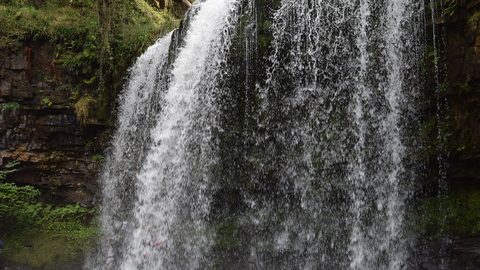 Waterfall Country
's Four Waterfalls Walk is reachable by a long road-walk from the nearest bus stop or by taxi from Abergavenny station, with slippery paths year-round.
-
 Llangorse Lake
 is a short, flat walk from the bus stop on the TrawsCymru corridor from Brecon, with a crannog, bird hides, and watersports at the water's edge.